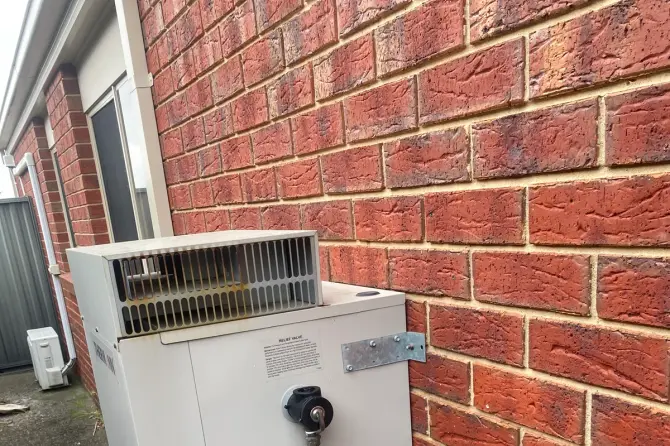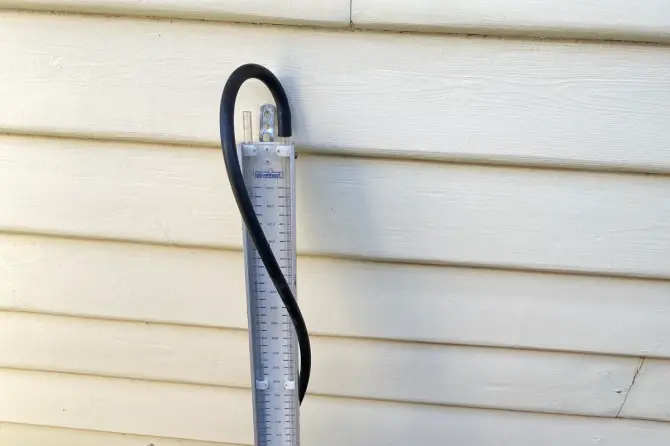
Hi! I’m your local Leopold plumber, Peter, working across Gateway Plaza’s new builds, the older homes around Kensington Estate, and everything in between. When a gas hot water system plays up, it has a knack for choosing the chilliest morning and the busiest day. The good news? Most faults are predictable, preventable, and fixable – especially when you know what to look for. In this guide, I’ll walk you through the five most common gas hot water issues I’m called out for in Leopold, what causes them, and what you can do to spot early warning signs. I’ll also share simple maintenance steps that extend your system’s life and explain why a professional diagnosis matters for safety and compliance with Victorian standards. If you’re reading this with a towel wrapped around you and no hot water – don’t stress. Let’s get you sorted.
The 5 Most Common Gas Hot Water Issues in Leopold
- 1) Pilot light problems
- 2) No hot water at all
- 3) Inconsistent heating (temperature swings)
- 4) Strange noises (popping, rumbling, whistling)
- 5) Leaks (water or gas)
1) Pilot light problems
What you’ll notice: The water goes cold, or you get only a brief burst of warmth. On older storage units, you may see the pilot’s flame is out. On modern continuous-flow units, you might see an ignition error code instead of a physical pilot.
Likely causes:
- Thermocouple wear: On storage tanks with standing pilots, a tired thermocouple won’t generate enough voltage to keep the gas valve open.
- Dust, soot, or spider webs: Burners and pilot assemblies are magnets for debris, especially in outdoor installations.
- Drafts and wind: Outdoor units or poorly shielded enclosures can let gusts blow out the pilot flame.
- Gas supply issues: A partially closed isolation valve or pressure fluctuation can starve the pilot.
How I fix it: I start with safe isolation and a full visual. Then I clean the burner and pilot assembly, test the thermocouple, check gas pressure at the appliance, and assess flueing and ventilation. If the thermocouple is out of spec, I replace it. For electronic ignition faults on continuous-flow systems, I read the error code, test the ignition pack, and ensure proper earthing and gas pressure.
What you can do: Keep the area around the heater clean and sheltered. If the pilot keeps dropping out, don’t keep relighting — call a gasfitter to find the root cause.
2) No hot water at all
What you’ll notice: Stone-cold taps, maybe an error light or code on a continuous-flow unit, and sometimes no burner sound when you open a hot tap.
Likely causes:
- Gas supply turned off: The meter cock, appliance isolation valve, or a safety shut-off may be closed.
- Ignition failure: Faulty igniter, flame sensor, or control board on electronic systems.
- Over-temperature cut-out: On storage tanks, a safety device may have tripped for a genuine overheating event—or due to a faulty thermostat.
- Failed gas valve or blocked filter: Especially on instant units where inlet water or gas filters can clog.
- End-of-life tank: If the cylinder is heavily corroded or has failed internally, it won’t reheat.
How I fix it: Confirm gas at the meter and at the appliance, reset the safety cut-out if appropriate, test ignition components, and inspect/clean filters and strainers. If the tank is ruptured or heavily corroded, I’ll discuss replacement options (similar gas storage, high-efficiency continuous flow, or — if you’re curious — electrified options and heat pumps).
What you can do: Check whether your other gas appliances (cooktop/heater) work. If none do, it might be a supply or meter issue. If others work, it’s likely a local appliance fault — time to get it tested.
3) Inconsistent heating (temperature swings)
What you’ll notice: Shower temperatures yo-yo, or taps are scalding then lukewarm. It’s especially common when multiple taps are on or when the unit is borderline undersized for the household.
Likely causes:
- Scale in heat exchangers: Hardness and dissolved minerals can “insulate” the heat exchanger, causing overheating then cut-out.
- Blocked water filters or aerators: Flow restriction confuses modulating burners.
- Faulty sensors or thermostats: Temperature readings jump around, leading to unstable flame control.
- Crossover at a mixer tap: A faulty mixer can let cold water leak into the hot line, causing erratic temps across the house.
- Undersized unit: Households outgrowing a small continuous-flow unit see big swings at higher demand.
How I fix it: Check flow rates, clean/replace inlet filters, test temperature sensors, and look for mixer tap crossovers. If scale is the issue, I descale the heat exchanger (for instantaneous systems) and recommend treatment options. If the unit’s too small, I’ll size a replacement properly based on your peak simultaneous demand.
What you can do: Clean tap aerators, avoid running multiple high-demand fixtures at once on small units, and get an assessment if swings become frequent.
4) Strange noises (popping, rumbling, whistling)
What you’ll notice:
- Popping/rumbling from storage tanks during heat-up.
- Whistling when a tap’s open.
- Booming on burner ignition (delayed ignition).
Likely causes:
- Sediment build-up: Mineral deposits at the bottom of a storage tank trap steam bubbles—hence the popping sound.
- Partially blocked valves/filters: Whistling can be a restriction.
- Delayed ignition: Burner needs cleaning or gas/air mix is off.
- Water hammer: Not strictly a heater fault, but poor pipe arrestors or fast-closing mixers can bang the lines.
How I fix it: Flush the tank to remove sediment, clean burner jets, check the gas/air mix, and inspect inlet valves and line filters. If water hammer is present, I’ll look at pressure control and add arrestors.
What you can do: Don’t ignore new sounds. They’re early warning signs — cheaper to fix now than after a tank fails.
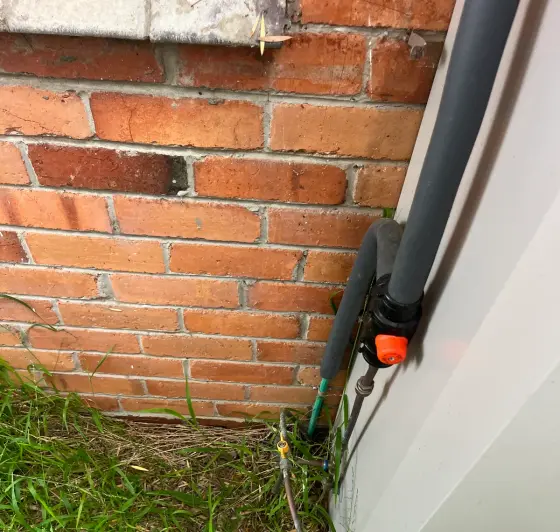
5) Leaks (water or gas)
What you’ll notice: Damp ground around the base, weeping from the temperature-pressure relief (TPR) valve, corrosion on fittings, or that tell-tale “rotten egg” smell from a gas leak (remember, odorant is added to gas).
Likely causes:
- TPR discharge: Some dripping is normal during heat-up, but continuous flow indicates a faulty valve or overpressure.
- Tank corrosion: End-of-life cylinder or failed anode.
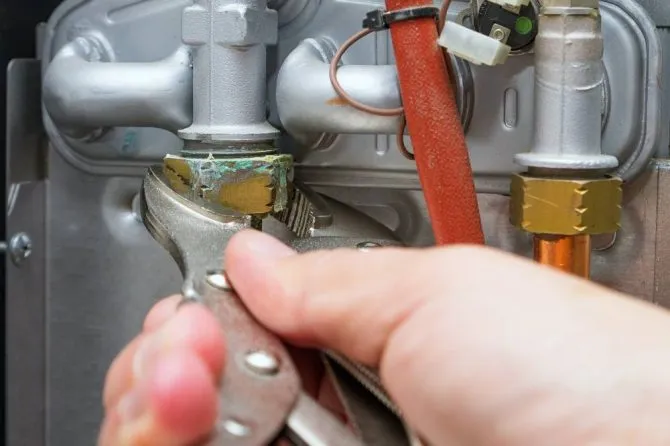
- Fittings and unions: Thermal expansion and vibration can loosen joints over time.
- Gas leaks: Ageing seals, disturbed pipework, or corrosion.
How I fix it: Pressure-test the gas line, replace faulty valves, remedy overpressure, repair or replace corroded fittings, and if the cylinder’s gone, guide you on a compliant replacement. For any suspected gas leak, I perform a tightness test and leak-trace with approved equipment.
What you can do: Never attempt DIY on gas or pressure valves. If you smell gas, put out any flames, open doors and windows, report it to AusNet Services on 13 67 07, then call a licensed gasfitter.
Why Understanding Root Causes Helps (You and Your Plumber)
Knowing why faults happen helps you explain symptoms clearly on the phone, which often means faster fixes and fewer surprises. Here are the usual culprits I see across Leopold:
- Age and wear: Most gas storage tanks last 8-12 years depending on water quality, usage, and maintenance. Components like thermocouples, igniters, and relief valves age out sooner.
- Mineral scale: Even moderate hardness can build up inside tanks and instant units, stressing burners and sensors. Regular flushing/descaling keeps efficiency up.
- Ventilation and flueing: Inadequate makeup air, blocked flues, or poor terminations cause incomplete combustion, spillage, or nuisance shutdowns.
- Gas pressure and sizing: If the appliance is undersized or the gas line is marginal, temperature instability and ignition issues show up — particularly during peak-use hours.
- Installation quality: Correct clearances, drip legs, isolation valves, and flueing make a huge difference. Poor installs equal chronic problems.
- Environment: Outdoor units facing strong winds or salt air need good shielding and regular cleans to keep pilot/ignition components reliable.
When you can tell me “the pilot drops on windy nights” or “it whistles when the kitchen tap is on,” I can bring the right parts and get you back in hot water — fast.
Simple Preventative Maintenance (That Actually Works)
Think of gas hot water like a car: a little care saves big money later. Here’s what I recommend to Bellarine homeowners:
- Service your gas heater regularly
In Victoria, gas heaters should be serviced by a qualified gasfitter at least every two years to reduce the risk of carbon monoxide exposure and keep things running safely. That cadence also suits most hot water systems and helps catch issues early. (Energy Safe Victoria) - Keep the area clean and ventilated
Clear dust, leaves, and spider webs from around outdoor units. Don’t stack boxes, paint tins, or brooms near indoor appliances — they restrict airflow and create flammable clutter. - Flush storage tanks
An annual or biannual drain-down on storage cylinders clears sediment, reduces popping noises, and improves efficiency. I also check the anode — a small part that protects the tank from corrosion. Replacing a spent anode can add years to a cylinder’s life. - Clean inlet water filters (continuous-flow units)
These little strainers clog easily. A quick clean restores proper flow so the burner can modulate correctly and prevent temperature swings. - Set a sensible temperature
I generally set storage tanks around 60 °C (for legionella control) and encourage tempering valves or mixers to keep outlet temperatures safe at taps. If you’ve got children or elderly family members, ask about point-of-use tempering for extra protection. - Check the TPR discharge line
A brief dribble during heat-up is normal. Continuous flow is not. If the discharge pipe runs hot for long periods or you see steady dripping, give me a call. - Protect outdoor units
If wind or salt spray has a clear path to your unit, a compliant shield or relocating the appliance can dramatically improve reliability. I’ll assess clearances and ventilation so safety stays front-and-centre. - Book a gas hot water service
A service includes a combustion and spillage test with a calibrated CO analyser — quick, professional peace of mind, especially in winter. Energy Safe Victoria emphasises the CO risk from faulty or poorly ventilated gas heaters; proactive checks save lives. (Energy Safe Victoria)
Professional Diagnosis Matters (Safety, Standards, and Your Warranty)
Gasfitting is specialised work in Victoria. Here’s why getting a licensed professional involved isn’t just helpful — it’s essential:
- Regulatory oversight: Energy Safe Victoria oversees gas safety statewide, ensuring new and existing gas installations meet the relevant Acts, Regulations, and Standards. That framework is there to keep households safe. (Energy Safe Victoria)
- Current standards: Installations and repairs must comply with AS/NZS 5601.1: Gas installations – Part 1: General installations (current edition published 30 September 2022). When I service or repair your system, I’m working to those requirements on clearances, ventilation, flueing, pipe sizing, and appliance connection. (Building and Plumbing Commission, formerly the Victorian Building Authority)
- Standards update automatically into law: Victoria’s energy safety laws commonly adopt Australian Standards “as published or amended from time to time,” which means updates to standards like AS/NZS 5601.1 are automatically picked up by the legal framework when published. That’s one reason you want a plumber who keeps pace with changes. (Energy Safe Victoria)
- Compliance certificates: For certain types of plumbing work, a licensed plumber must issue a compliance certificate to confirm the work meets prescribed standards. It’s your written assurance the job was done to code — and it’s something only a licensed (not just registered) plumber is authorised to issue. (Building and Plumbing Commission, formerly the Victorian Building Authority)
- CO and combustion testing: A professional will check for negative pressure issues, verify flue integrity, and perform combustion analysis with calibrated instruments. That’s how we catch faults that the eye can’t see and that DIY can’t safely diagnose.
What a proper call-out looks like:
- Safety & compliance checks (isolation, leakage, ventilation, flue).
- Appliance diagnostics (error codes, sensors, gas pressure, ignition).
- Corrective work (cleaning burners, replacing faulty parts, descaling, valve swaps).
- Combustion analysis & CO test where relevant.
- Documentation (records of tests/repairs and, where required, a compliance certificate).
This process protects you, your family, and your warranty—and keeps your insurer happy if anything ever goes wrong.
When to Repair, When to Replace
I’m a big believer in repairing what can be safely repaired. But some situations call for a chat about replacement:
- Age + repeated faults: If your storage tank is 10+ years old and springing multiple issues, a new unit can be cheaper long-term.
- Rising gas use or bills: Efficiency losses in old systems are real.
- Lifestyle changes: More kids or a new bathroom often means your old unit is undersized.
- Safety concerns: Corroded flues, heat exchangers, or persistent CO risks are non-negotiables — we replace them.
If replacement makes sense, I’ll help you weigh like-for-like gas options, high-efficiency continuous-flow systems, or even a strategic switch to efficient electric/heat pump hot water if that suits your home and future plans. We’ll size it properly so those morning showers stay steady, even with the dishwasher running.
Quick Troubleshooting Guide (Before You Call)
- No hot water? Check other gas appliances. If they’re out too, it might be a meter/supply issue. If only the water’s out, look for an error code on the unit and note it for me.
- Pilot keeps dropping? Don’t keep relighting endlessly. There’s a cause — call early.
- Temperature swings? Try one shower/tap at a time. If swings stop, your unit may be undersized or a filter is clogged.
- Whistling or popping? Sounds indicate restriction or sediment. Time for a service.
- TPR valve dribbling non-stop? That needs attention — continuous discharge isn’t normal.
(Important: never remove covers, touch gas fittings, or block air intakes. Gas work must be done by an appropriately licensed gasfitter.)
Local, Reliable, and By the Book
nIf your system needs repair or replacement, book hot water repairs and installation across Geelong with Plummers Plumbing.
nAs a Leopold local, my goal is simple: safe, steady hot water with minimal fuss. I keep common parts on the ute for popular makes and models, and I’m set up for proper testing — gas tightness, pressure, combustion, and CO. I work to AS/NZS 5601.1 and within the Energy Safe Victoria framework, issuing compliance certificates when required so you’ve got paperwork that stands up. (Building and Plumbing Commission, formerly the Victorian Building Authority, Energy Safe Victoria)
If you’re dealing with a lukewarm shower, a temperamental pilot, or a heater that’s developed a worrying soundtrack, sing out. I’ll assess the system, explain your options in plain English, and get you back to steaming cups of tea and comfortable showers — no drama, no jargon, and no corner-cutting.
Need help with your gas hot water system? If you’re experiencing any of these symptoms with your gas hot water system, don’t endure cold showers, hoping the problem will resolve itself. I serve Leopold and surrounds (Curlewis, Moolap, Wallington, Newcomb, and the wider Bellarine). Call us on 0447 134 432 for prompt, professional service. We’re your local Leopold plumbers, ready to restore your hot water quickly and safely.
Frequently Asked Questions
Q: How often should I have my gas hot water system serviced in Leopold?
Given the coastal conditions and hard water in the Leopold and Bellarine Peninsula area, we recommend annual professional servicing to prevent common issues and extend your system’s life.
Q: Are the common gas hot water repairs in Leopold different from other areas?
While the core issues are similar, Leopold’s coastal environment can accelerate certain problems like corrosion and sediment buildup, making regular maintenance even more important.
Q: Can I prevent pilot light issues in windy coastal areas?
Yes, proper positioning away from direct wind exposure and installing wind shields can significantly reduce pilot light problems common in Leopold’s coastal environment.
Q: When should I call for emergency gas hot water repair?
If you smell gas, report it to AusNet Services on 13 67 07 first, then call us. Call immediately if you hear hissing sounds or have no hot water with safety concerns. For non-urgent issues, such as gradual temperature changes, you can schedule regular service.
More Helpful Articles
Complete Guide to Hot Water System Repairs, Installation & Maintenance
Disclaimer: This information is for educational purposes only. Gas appliance repairs should always be performed by licensed professionals. If you smell gas, turn off the supply at the meter if it is safe to, report it to AusNet Services on 13 67 07, and contact a licensed gas fitter.
About the Author: The team at Plummers Plumbing has extensive experience servicing gas hot water systems throughout Leopold, Geelong, and the Bellarine Peninsula. Licensed and insured, we provide same-day emergency service and guarantee all our work.