Same-day quotesTanks · Pumps · Connections · Repairs
Rainwater tank installation in Geelong, plumbed in and pumping properly.
We install and plumb in rainwater tanks across Geelong – downpipes to the tank, overflow to your stormwater drain and a pump to your garden, toilets or laundry. We also repair tank pumps that cycle, leak or stop, at a fixed price.
5.0 out of 5 stars from★★★★★149 Google reviews
What’s the problem?
New tank to plumb inPump won’t stop cyclingPump runs, no waterToilet won’t refillTank overflowing by house
Free · Same-day quotes
Tank & Pump Callout
Tell us about your tank or pump and we’ll come back with a fixed price. Most jobs are quoted same day.
Fixed price agreed before we start
Most repairs done in a single visit
Licensed & insuredPeter Plummer, licence 119671
Fixed price, upfrontAgreed before we start
Workmanship guaranteedWe do it right
Local plumbersNot a call centre
Why Our Customers Love Us
Really happy with the quality of the work and would definitely recommend Ben to anyone needing a reliable plumber.
Rainwater Tank Installation in Geelong
A rainwater tank is only as useful as the plumbing around it. The downpipes have to feed it, the overflow has to go somewhere safe, and unless you only want a tap at the bottom of the tank, you need a pump and pipes to where you’ll use the water.
In the last 12 months we’ve done 65 rainwater tank and pump jobs across Geelong, the Bellarine and the Surf Coast – new tanks plumbed in, tanks connected to toilets and laundries, and pumps repaired or replaced.
The City of Greater Geelong says you don’t need a building permit to install a water tank in a residential area, but the overflow must be connected to your property’s stormwater system. The tank must also sit at least 500 millimetres from the boundary fence and be no more than 3 metres high. Outside Greater Geelong, check your own council’s rules.
Our Rainwater Tank & Pump Services
From a new tank by the shed to a pump that won’t stop clicking on and off, we plumb it in properly and get the water where you want it.
Rainwater Tank Installation & Connection
We connect your downpipes to the tank inlet, fit leaf screens and a first-flush diverter to keep the worst of the roof grit out, and run the overflow to your stormwater drain as council requires. Where the tank sits away from the house, the pipes can run underground to the tank.
Before the tank goes in, it needs a firm, level base and a spot that meets the council’s distance and height rules. We’ll talk through where the plumbing will run before anything’s set in place. Connecting downpipes to a tank is roof drainage work – our guide to what a roof plumber does explains why that matters.
Connecting Tanks to Toilets & Laundry
Using tank water for your toilets and washing machine is where most of the savings on mains water come from. It needs a pump, a pipe run from the tank to each fixture, and a way to switch to mains water automatically when the tank runs dry, so the toilet still flushes in a long dry spell.
In Victoria, the pipes that carry rainwater from the tank to where it’s used are regulated plumbing work, so this part has to be done by a licensed plumber.
Tank Pump Repairs & Replacement
A pump that clicks on and off all day, runs without delivering water, hums, leaks or won’t start at all usually has a fixable cause: a leak in the pipework, a dripping toilet cistern, a pressure switch or controller fault, or a pump that has lost its prime.
We find the cause first. If the pump is worn out, we’ll tell you straight and quote a replacement sized to the job, not the biggest one on the shelf.
Ways to Use Your Rainwater Tank
What you want the water for decides what plumbing the tank needs. These are the four set-ups we plumb most often.
Garden & Outdoor Taps
The simplest set-up: downpipes into the tank, overflow to the stormwater drain, and a tap or pump for the hose and garden. A pump gives you real pressure for sprinklers and hosing down the car, instead of the trickle a tap at the bottom gives.
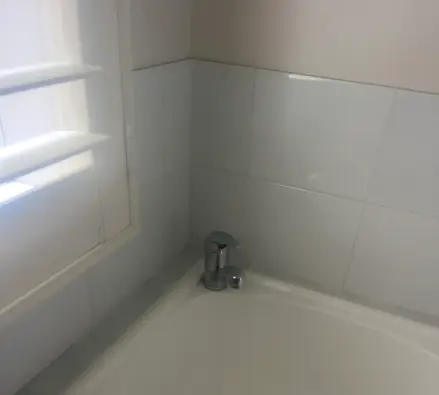
Toilets & Laundry
Tank water piped indoors to your toilets and washing machine. The City of Greater Geelong lists both as ways to reuse roof water. This set-up needs a pump, its own pipe run to each fixture, and a switch to mains water when the tank is empty.
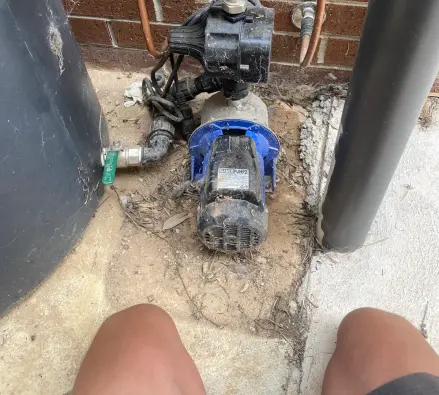
Pumps & Mains Changeover
A changeover unit sits with the pump and swaps to mains water automatically when the tank runs low, then back to tank water after rain. It’s what keeps toilets flushing in summer. We install, repair and replace pumps and changeover units.
Screens & First-Flush Diverters
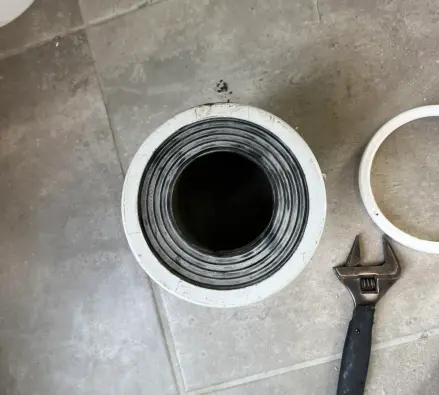
Leaf screens keep leaves out of the tank, and a first-flush diverter sends the first, dirtiest water off the roof away from the tank. Victoria’s Department of Health lists both as simple ways to keep leaves and debris out, which also helps the pump last.
Common Rainwater Tank Problems We Fix
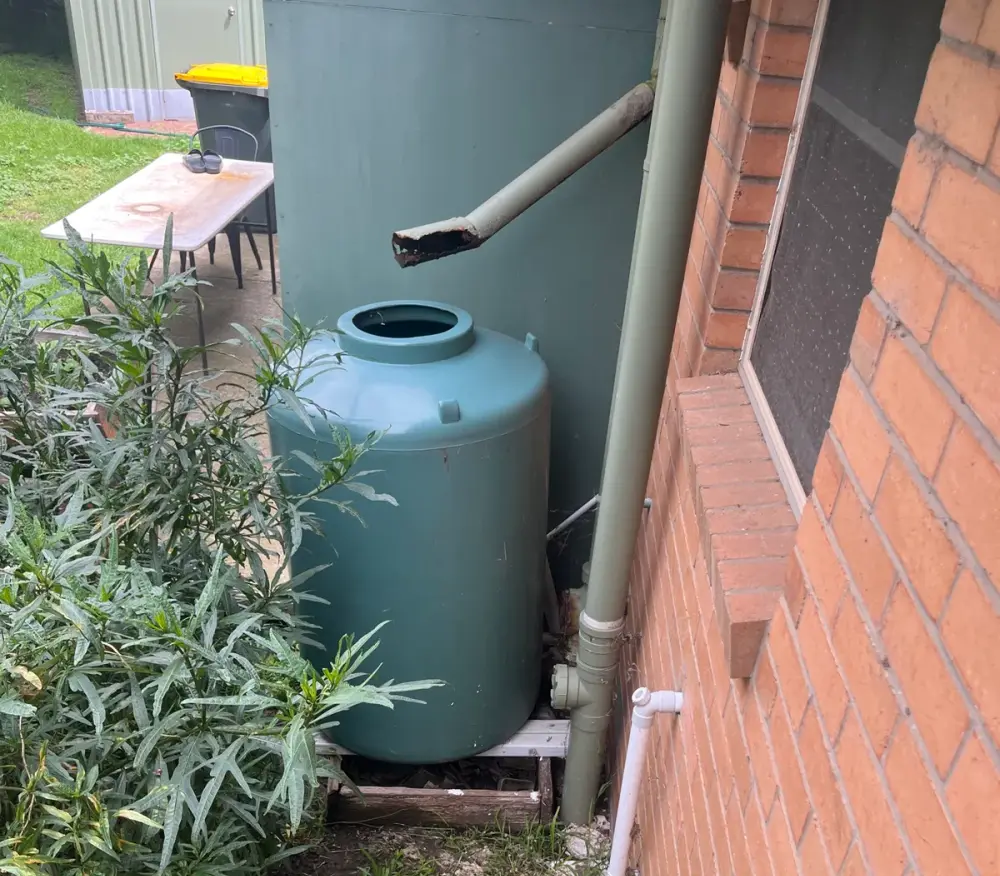
Most tank and pump problems show up as a pump that won’t behave or water going where it shouldn’t.
- Pump Cycling On and Off: Usually a small leak in the pipework or a dripping toilet cistern, or a pressure switch or controller that needs attention.
- Pump Runs But No Water: The pump may have lost its prime, the suction side may be blocked, or the tank may be emptier than it looks.
- Toilet Won’t Refill When the Tank Is Empty: The mains changeover isn’t switching over, so the toilet has no water until it rains.
- Overflow Spilling Beside the House: The overflow isn’t connected to the stormwater drain, or the drain it runs into is blocked.
- Leaking Tank Connections: Fittings at the inlet, outlet or pump work loose or perish over time.
- Leaves and Grit in the Tank: Missing or damaged leaf screens, or no first-flush diverter on the downpipes.
Fast Tank Pump Repairs Near You
If your toilets or laundry run off the tank, a dead pump or a stuck changeover is more than an annoyance. Call us and you’ll talk to a local plumber, not a call centre, and we offer same-day service whenever scheduling allows.
Until we get there, turning the pump off at its power point stops it cycling and wearing itself out, as long as you can reach it safely and it isn’t sitting in water.
Why Choose Plummers Plumbing for Rainwater Tanks
A tank should save water, not create a new maintenance problem. Here’s what you get with us.
Licensed and Insured
Plumbing tank water to toilets and laundries is regulated plumbing in Victoria. We’re licensed and insured, and the work meets Australian plumbing standards.
Roof to Tank to Drain
We also look after gutters and downpipes and stormwater drains, so the water gets into the tank cleanly and the overflow goes where it should.
Honest Pump Advice
We repair what’s worth repairing and size a new pump to what you actually use.
Fixed Price Before We Start
You’ll know the price before any work begins. No hidden fees.
Workmanship Guaranteed
We do it right, or we make it right.
What we fix
- Pumps cycling on and off
- Pumps that won’t start
- Mains changeovers not switching
- Leaking tank fittings
- Overflow not draining
- Blocked leaf screens
- First-flush diverters
Our Simple Rainwater Tank Process
Whether it’s a new tank or a pump playing up, here’s how it works.
Step 1 – Contact Our Team
Call or book online and tell us about the tank, where it is, and what you want the water for or what the pump is doing.
Step 2 – Site Check
We look at the downpipes, where the overflow can drain, the pipe run to the house and the power supply for a pump.
Step 3 – Fixed Price
We explain what the job needs and agree a fixed price before any work starts.
Step 4 – Install & Test
We plumb it in or fix the pump, then run it to check the pressure, the changeover and the overflow before we leave.
Rainwater Tank Installation Costs – What to Expect
The cost of plumbing in a rainwater tank depends on what you want the water for. A tank feeding a garden tap is a much simpler job than one plumbed to toilets and a laundry with a pump and automatic mains changeover.
Distance matters too: how far the tank is from the downpipes, the stormwater drain and the house, how many downpipes feed it, and whether pipes need to run underground. For pump repairs, the cost depends on the fault and whether the pump is worth fixing. Either way, we explain what’s involved and agree a fixed price before we start.
Rainwater Tanks Across Geelong
Over the last 12 months our tank and pump work was spread across the region, with the most jobs in Lara, Leopold, Belmont, Mount Duneed and Drysdale and Clifton Springs.
We also cover Highton, Newcomb and the rest of Geelong, and the coast from Torquay to Ocean Grove. If you’re outside the City of Greater Geelong, your council’s tank rules may be different, so check them before the tank goes in.
Rainwater Tanks & Pumps FAQs
Not for a residential tank in the City of Greater Geelong. The council says no building permit is needed, but the overflow must be connected to your stormwater system. The tank must be at least 500 millimetres from the boundary fence and no more than 3 metres high. Other councils have their own rules.
Yes. The City of Greater Geelong lists the laundry, bathroom and toilet among the ways to reuse roof water. You’ll need a pump, a pipe run from the tank to each fixture and usually an automatic switch to mains water. Those pipes are regulated plumbing work in Victoria, so a licensed plumber has to install them.
A pump that cycles on and off with no taps running is usually responding to a pressure drop, most often a small leak in the pipework or a toilet cistern that keeps running. A faulty pressure switch or controller can do it too. Leaving it cycling wears the pump out, so it’s worth getting checked.
Victoria’s Department of Health says mains water is the safest choice, with rainwater next. A well-maintained tank helps protect the water: keep large branches off the roof, keep screens clean, clean the first-flush device after rain and check the tank for sludge every two to three years. If you’re connected to mains, use mains water for drinking.
A first-flush diverter is a fitting on the downpipe that catches the first water off the roof – the water carrying most of the dust, leaves and droppings – and keeps it out of the tank. The Department of Health lists it as a simple way to keep debris out, and says to open and clean it after rainfall.
In the City of Greater Geelong, the overflow must be connected to your property’s stormwater system. An overflow that spills onto the ground beside the house can wet the soil around your footings. Connecting a tank to a below-ground stormwater drain is regulated plumbing work, and our stormwater drain service covers it.
Victoria’s Department of Health suggests checking the tank for a build-up of sludge every two to three years. If there’s a lot, it’s time for a clean-out. In between, keep leaf screens and the first-flush diverter clean and your gutters clear. That keeps the water cleaner and stops grit getting into the pump.
Need Rainwater Tank Installation in Geelong?
Got a new tank to plumb in, or a pump that won’t behave? Call us or send the details and we’ll come back with a fixed price.

Notifications