A roofing plumber – usually just called a roof plumber – works on the metal parts of a roof and everything that carries rainwater off it: metal roof sheeting, flashings, valleys, box gutters, eaves gutters, rainheads and downpipes. In Victoria that is a licensed class of plumbing called roofing (stormwater), so it has to be done by someone registered or licensed in that class.
This guide explains what a roof plumber does and doesn’t do, how that differs from a roofer, when you need which, and how to check a plumber’s licence before you hire them – including us.
- What does a roof plumber do?
- What a roof plumber doesn’t do
- Roof plumber vs roofer: what’s the difference?
- When do you need a roof plumber?
- Why the licence matters
- How to check a roof plumber’s licence in Victoria
- What happens when a roof plumber comes out
- Frequently asked questions
What does a roof plumber do?
Victoria’s Plumbing Regulations 2018 list roofing (stormwater) as one of the classes of plumbing work. It covers the installation, repair, replacement, maintenance and testing of any roof covering or roof flashing, and any part of the roof drainage system that collects rainwater and carries it away. That includes connecting the stormwater pipes to a below-ground stormwater drain or to a rainwater tank.
The Building and Plumbing Commission, Victoria’s building and plumbing regulator, describes the typical work as:
- installing, repairing and replacing metal roof coverings, such as corrugated or ribbed steel sheeting
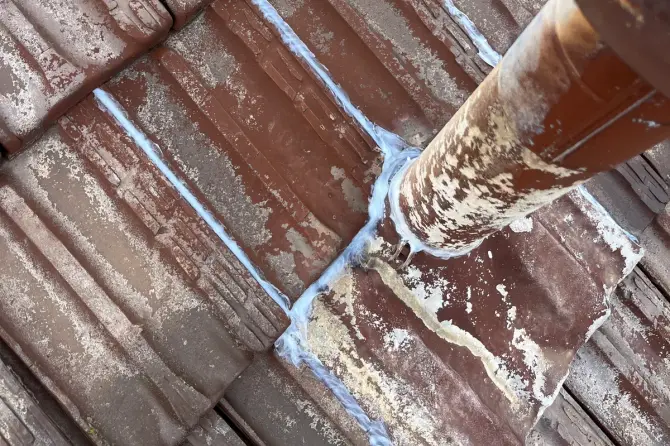
- installing, replacing and testing flashings – where the roof meets a wall or chimney, and around vent pipes, flues, skylights and other penetrations
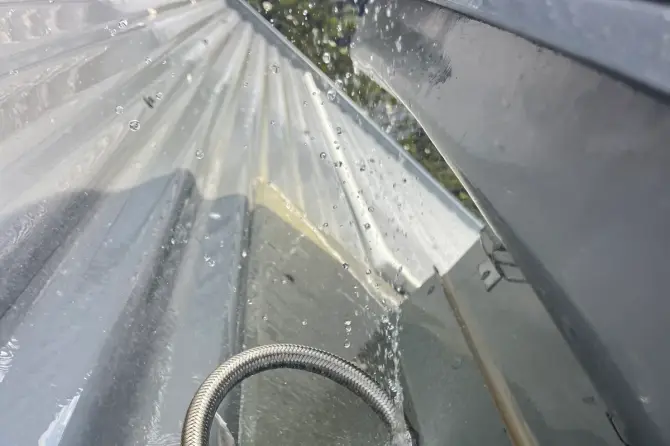
- making, installing and repairing the roof drainage system: eaves gutters, box gutters, valleys, rainheads, sumps and downpipes
- fitting downpipe components for rainwater tanks
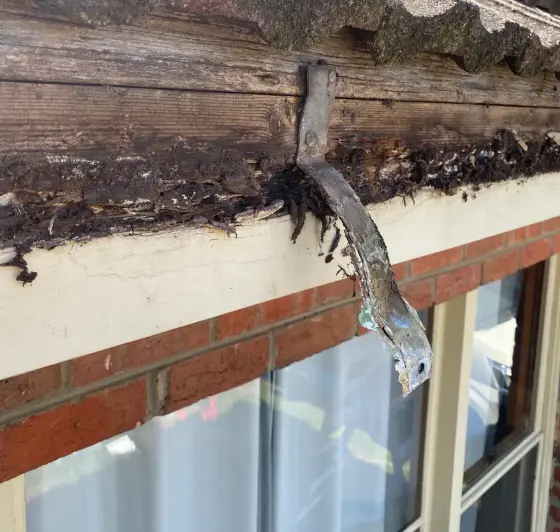
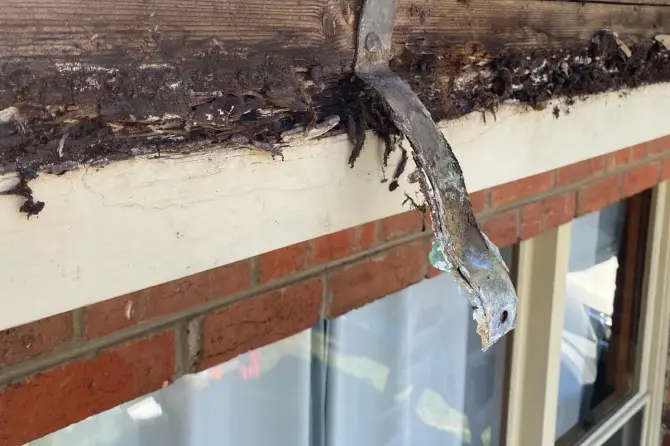
In practice, most calls to a roof plumber are about water going where it shouldn’t: a leak through the ceiling, a box gutter overflowing in heavy rain, a rusted valley, or gutters that drip at every joint.
What a roof plumber doesn’t do
The same regulations spell out what is not roofing (stormwater) work. The main exclusions are:
- roof coverings made of non-metallic tiles, timber, concrete, glass, bitumen or slate
- membrane roofing
- cleaning, painting or preparation work on its own
- small freestanding sheds and similar outbuildings of 10 square metres or less, unless they connect to a below-ground drain or a rainwater tank
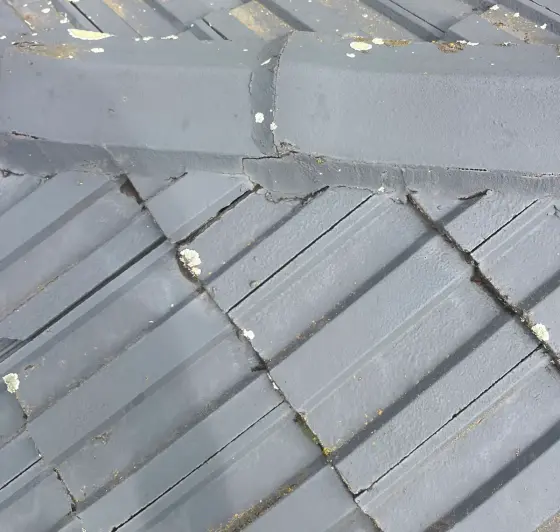
So replacing cracked terracotta or concrete tiles, re-bedding and re-pointing ridge capping, or laying a waterproof membrane on a flat roof is not plumbing work. That belongs to a roof tiler or a membrane specialist. Gutter cleaning on its own isn’t plumbing work either, although plenty of plumbers, including us, offer it and can fix what they find while they’re up there.
Roof plumber vs roofer: what’s the difference?
In everyday talk, “roofer” covers anyone who works on roofs. The real difference in Victoria is licensing. Work on metal roofs and the roof drainage system is regulated plumbing, and the person doing it must be registered or licensed for it. Tile and membrane work sits outside that class.
A quick guide to who to call:
- Metal roof leaking, rusted or loose sheets – roof plumber
- Leak around a chimney, wall, vent pipe or skylight – roof plumber, because it’s usually the flashing
- Valley, box gutter, eaves gutter or downpipe problems – roof plumber, on tiled and metal roofs alike
- Broken or slipped tiles, cracked ridge capping – roof tiler
- Flat roof or balcony membrane failing – membrane or waterproofing specialist
- Not sure where the water is coming from – start with a roof plumber, who can trace the leak and tell you if it’s a tile problem
On a tiled roof the two trades often meet. The tiles are the roof tiler’s job, but the valleys, flashings and gutters on that same roof are plumbing. A roof leak on a tiled house is often a valley or flashing problem rather than a broken tile.
When do you need a roof plumber?
Call a roof plumber when:
- water comes through the ceiling during or after rain
- there’s a damp patch or drip near a flue, vent pipe or skylight
- a box gutter overflows in heavy rain, or water pours out of a rainhead
- gutters or valleys are rusting through, sagging or leaking at the joints
- downpipes are spilling onto the ground instead of draining away
- an extension, pergola or carport needs gutters and downpipes connected to the stormwater drain
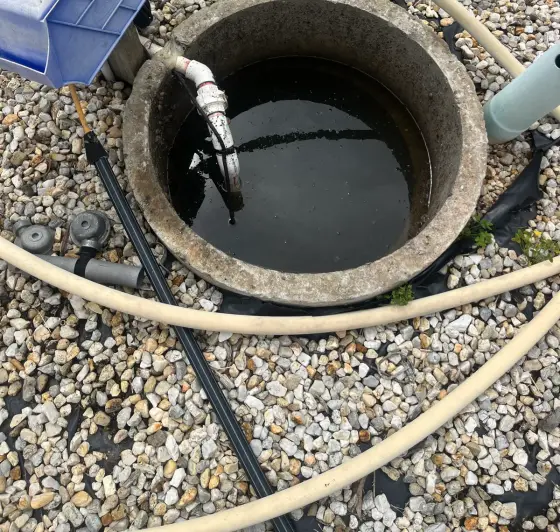
- you’re putting in a rainwater tank and need the downpipes connected
If it’s happening after a storm, our guide to a roof leaking after a storm covers what to do first, while you wait for help.
Why the licence matters
Under Victoria’s Building Act 1993, nobody may carry out plumbing work of a particular class unless they’re licensed or registered by the regulator for that class. That’s not a formality. A licence means the plumber has the training and experience for that class of work, and the Building and Plumbing Commission says licensed practitioners must also hold relevant insurance.
There’s a practical benefit too. For plumbing work above a minimum value, a licensed plumber must give you a signed compliance certificate within five days of finishing, and notify the regulator. Only a licensed plumber can sign one. Keep it with your house paperwork as a record of who did the work and what they certified.
How to check a roof plumber’s licence in Victoria
Victoria’s plumbing regulator is now the Building and Plumbing Commission (BPC). It began operating on 1 July 2025 and took over the work of the Victorian Building Authority, so older guides that tell you to check with the VBA are out of date.
The BPC’s Find and check a practitioner page lets you check a plumber is registered or licensed for the work you need, what type of work they’re allowed to do, and any conditions or limits on their licence. To use it:
- Go to the Building and Plumbing Commission website (bpc.vic.gov.au) and open Find and check a practitioner, then choose Find a plumber.
- Search by the plumber’s name, business name or licence number.
- Check the licence or registration is current.
- Check that roofing (stormwater) is listed among the classes they’re allowed to work in.
- Look for any conditions or limits, and check the BPC’s Compliance and Enforcement Register if you want to know about past disciplinary action.
The BPC’s own advice is not to rely only on advertising, business cards, quotes or what someone tells you. Peter Plummer is a licensed plumber.
What happens when a roof plumber comes out
A good roof plumber spends more time finding the leak than fixing it. Water often enters at a flashing or valley, runs along the timbers or sarking, and drips through the ceiling a metre or two away, so the stain is rarely right under the problem.
A roof plumber will usually start inside where the water shows, then check the roof once it’s dry and safe to walk on – flashings, valleys, box gutter outlets, gutters and, on metal roofs, the screws and sheet laps. When we come out, we explain what we found and agree a fixed price before any work starts. Our roof plumbing service in Geelong page has the details, and if the problem is in the gutters themselves, see gutter and downpipe repairs.
Frequently asked questions
Is a roof plumber the same as a roofer?
Not exactly. A roof plumber works on metal roofs, flashings, gutters, valleys and downpipes, which in Victoria is a licensed class of plumbing. A roofer or roof tiler works on tiled roofs – replacing tiles and re-bedding ridge capping – which isn’t plumbing work. Some jobs need both, especially on tiled roofs, where the valleys and flashings are plumbing.
Can any plumber do roof plumbing?
Not necessarily. Victoria licenses plumbers by class, and roofing (stormwater) is a class of its own, alongside others such as drainage, sanitary and water supply. A plumber can only do the classes they’re registered or licensed for. The BPC’s Find a plumber search shows which classes a plumber holds, so check roofing (stormwater) is one of them.
Can a roof plumber fix a leak in a tiled roof?
Often, yes, because many tiled-roof leaks come from the valleys, flashings or box gutters, which are plumbing. If the leak is a cracked or slipped tile, or failed ridge capping, that is roof tiler work. A roof plumber can trace the leak and tell you which trade you need.
Who do I call for a leaking skylight?
Start with a roof plumber. Most skylight leaks come from the flashing around the skylight, which is roofing (stormwater) work. If the flashing is sound and the skylight unit itself is cracked or its seals have failed, you may need the skylight supplier or a glazier as well.
What is a plumbing compliance certificate?
A compliance certificate is a licensed plumber’s signed statement that their work complies with the plumbing rules. In Victoria, for work above a minimum value, the plumber must give you one within five days of finishing and notify the regulator. Only a licensed plumber can sign one, so keep it with your property records.
Sources
The official pages this guide is based on, checked on 16 October 2026:
- Building and Plumbing Commission: Roofing stormwater work
- Building and Plumbing Commission: Plumber classes and categories
- Building and Plumbing Commission: Find and check a practitioner
- Building and Plumbing Commission: New BPC putting consumers first from day one
- Victorian Legislation: Plumbing Regulations 2018
- Victorian Legislation: Building Act 1993