If your roof is leaking after a storm, stay off the roof, catch the water, keep everyone away from wet light fittings and power points, and take photos for your insurer. How much it costs to fix a roof leak depends on what’s causing it – a blocked box gutter, a lifted flashing, cracked tiles or overflowing gutters – and how far the water has spread, so the cause has to be found before anyone can give you a real price.
This guide covers what to do in the first hour, when to call VICSES and when to call a plumber, the usual causes of storm leaks, what to photograph for insurance, and what drives the cost of the repair.
Never climb onto a wet or windy roof. If water is near light fittings, power points or a sagging ceiling, keep everyone out of that room.
- What to do right now
- When to call VICSES and when to call a plumber
- Why roofs leak after a storm
- Photos and paperwork for your insurance claim
- How much does it cost to fix a roof leak?
- How to stop it happening next storm
- Frequently asked questions
What to do right now
- Stay off the roof. Wet tiles and metal are slippery, wind can knock you off a ladder, and nothing on the roof is worth a fall. The permanent fix can wait until the weather clears.
- Keep clear of electrics. If water is dripping from a light fitting or running near power points, keep away from them. Switch the power off at the switchboard only if you can reach it safely without standing in water. Otherwise, call an electrician.
- Watch the ceiling. A ceiling that is bulging or sagging is holding water and can come down. Keep people and pets out of the room underneath.
- Catch the water. Put buckets, tubs and towels under the drips. Move furniture, electronics, rugs, documents and anything valuable out of the way.
- Take photos and video of the leak and the damage before you clean up.
- Make the right call. For serious storm damage, call VICSES on 132 500. For a life-threatening emergency, call Triple Zero (000). For a smaller leak, call a plumber, then your insurer.
Stay well away from any fallen powerlines – VICSES says to always assume they are live. Our emergency plumbing checklist has more on keeping water damage down while you wait.
When to call VICSES and when to call a plumber
VICSES is the Victoria State Emergency Service. It asks you to call 132 500 from anywhere in Victoria for flood and storm emergencies, including when your roof is damaged or leaking significantly, a tree has fallen on the house, or your property is flooding. VICSES may do emergency temporary repairs if they’re needed, but in a big storm there can be a wait on the phone.
For minor leaks, superficial damage and clearing debris, VICSES asks you to contact a professional tradesperson instead. And whatever VICSES does on the night, the permanent repair is up to you: VICSES says to contact your insurer to make a claim or arrange permanent repairs, or contact a tradesperson to fix the damage.
If someone is hurt or in danger, call Triple Zero (000) first.
Why roofs leak after a storm
Most storm leaks come from water arriving faster than the roof can shed it, or from wind finding a weak spot. These are the most common causes.
Blocked box gutters
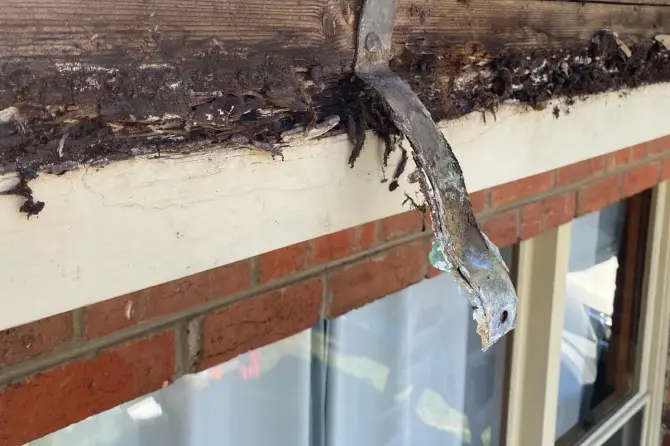
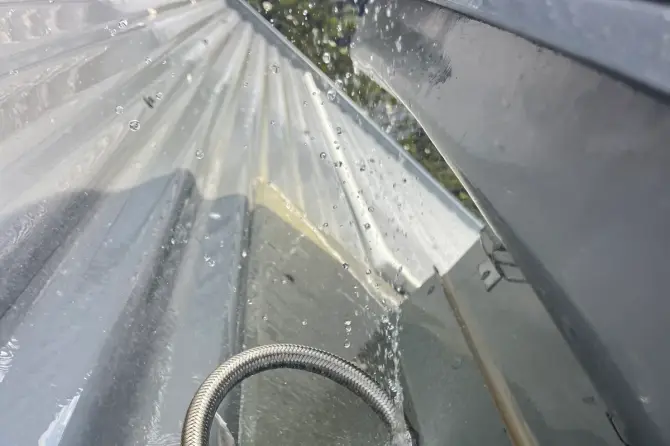
A box gutter sits inside the roof line, between two roofs or behind a parapet wall. When leaves and debris block its outlet, the water has nowhere to go but over the side and into the ceiling. A blocked box gutter can let a lot of water in very quickly.
Overflowing gutters and downpipes
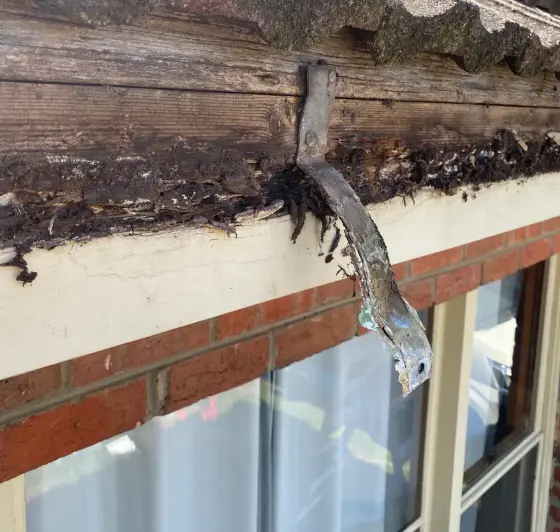
Eaves gutters full of leaves, a downpipe blocked at the bottom, or too few downpipes for the size of the roof can all make gutters overflow. The water spills back under the roof edge and into the eaves and wall cavities, and shows up as stains near the top of the walls.
Lifted or damaged flashings
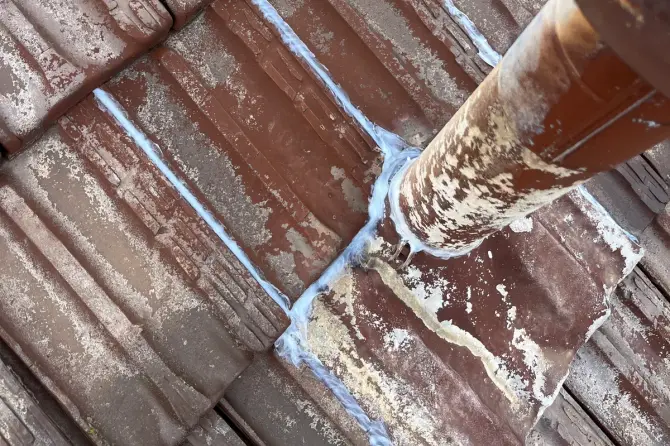
Flashings are the metal strips sealing the joins where the roof meets a wall or chimney, and around vent pipes, flues and skylights. Strong wind can lift them, and old sealant cracks. Once a flashing lifts, rain gets underneath it.
Cracked or displaced roof tiles
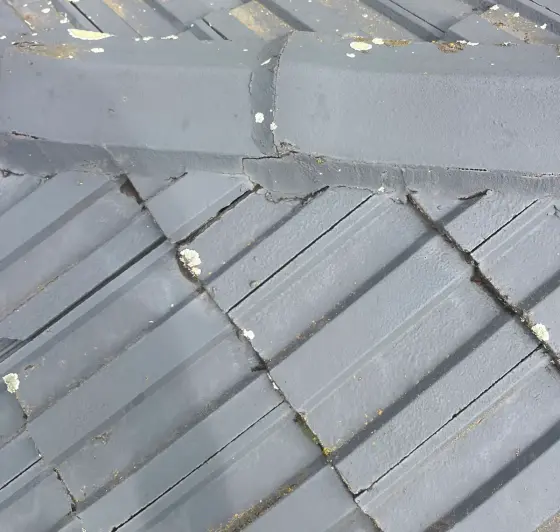
Wind can lift and shift tiles, and flying branches and debris can crack them. Replacing tiles and re-bedding ridge capping is a roof tiler’s job, but on a tiled roof the leak often comes from the valley or flashing instead. A plumber can check those plumbing parts and tell you which it is.
Loose screws and lifted sheets on metal roofs
On metal roofs, wind can work loose the screws holding the sheets down, and rust can eat through old ones. Water then gets in at every loose fixing or at lifted laps where the sheets overlap.
Photos and paperwork for your insurance claim
VICSES says to call your insurance company to organise any claim, and to take photos of the damage. Good photos taken early make the conversation with your insurer easier. Take:
- the water coming in – drips, stains, wet ceilings and walls, with video of active leaks
- water on floors and damage to carpets, furniture and belongings
- outside damage you can see safely from the ground – fallen branches, lifted sheets or flashings, gutters hanging off
- anything you remove or throw out, before it goes
Check with your insurer what else they need before you go ahead with repairs. Ask whoever does the repair to put in writing what caused the leak and what they fixed. If you have VICSES or another emergency service out on the night, note down when they came and what they did.
How much does it cost to fix a roof leak?
There’s no single price for a roof leak, because the cost depends on what’s causing it and how hard it is to get to. These are the things that move the price:
- The cause. Clearing and resealing a box gutter outlet is a smaller job than replacing a rusted box gutter or valley.
- How much of the roof is affected. One lifted flashing is quicker to fix than storm damage across several sections.
- Height and access. A steep or two-storey roof takes longer and may need extra safety equipment.
- Materials. Matching the profile and colour of the existing metal, and how much flashing, gutter or sheeting needs replacing.
- Timing. After-hours work, like late nights or weekends, may affect the price.
- Temporary and permanent repairs. If a leak needs making safe on the night and fixing properly once the roof is dry, that can mean two visits.
Water damage inside – wet ceilings, insulation, paint and carpets – is a separate cost, and usually a different trade.
We’ll quote before we start. Once we’ve found the cause, we explain what’s wrong and agree a fixed price before any work begins, with no hidden fees.
How to stop it happening next storm
Most storm leaks give a warning, often a small drip in an earlier downpour. A little maintenance before winter goes a long way:
- Keep gutters, downpipes and drains clear – VICSES lists this as a key step to get your home ready for storms.
- Trim branches hanging over the roof, so leaves and debris don’t block the gutters and fall on the roof in high wind.
- Have the box gutter outlets, rainheads, flashings and valleys checked, especially on older roofs.
- Look for ceiling stains after every big storm, and act on small ones before they grow.
Our roof plumbing service in Geelong covers leak repairs, and gutter and downpipe repairs covers the gutters. For a general once-over, see our maintenance plumbing service.
Frequently asked questions
Should I call the SES for a leaking roof?
Call VICSES on 132 500 if your roof is damaged or leaking significantly, a tree has come down on the house, or the property is flooding. For minor leaks and superficial damage, VICSES asks you to call a tradesperson instead. If anyone is in danger, call Triple Zero (000) first.
Can a roof leak be fixed while it’s raining?
Not properly. A lasting repair needs a dry roof that’s safe to walk on, and no one should be on a wet or windy roof. In the meantime, catch the water, keep clear of wet electrics and move your belongings. The permanent repair is done once conditions allow.
Does home insurance cover a roof leak after a storm?
It depends on your policy and what caused the leak, so call your insurer as soon as you can. VICSES recommends calling your insurance company to organise the claim and taking photos of the damage. Ask whoever repairs the roof to note what caused the leak and what they fixed.
Why is my roof only leaking in heavy rain?
A leak that only appears in heavy rain is usually an overflow problem rather than a hole: a box gutter, valley or rainhead that can’t carry the water away fast enough, or a partly blocked outlet. Wind-driven rain getting under flashings is the other common cause. Both can be found once the roof is dry.
Sources
The official pages this guide is based on, checked on 16 October 2026: